• Home
medalhunt.com
keep your memories alive
Uncategorized

The Ethics of AI Companions: Should Machines Replace Human Interaction?

by Ranks Box September 4, 2025
written by Ranks Box

Introduction

Artificial intelligence has transformed the way we work, play, and communicate, but its influence is now entering the most personal aspects of human life: companionship and emotional support. AI companions—ranging from chatbots and virtual assistants to humanoid robots—are becoming increasingly sophisticated, capable of holding conversations, offering advice, and even simulating empathy. While some celebrate these innovations as tools to combat loneliness and improve mental well-being, others question whether machines should ever replace genuine human interaction.

This article explores the ethical dilemmas surrounding AI companions, their applications, potential benefits, risks, and how society might navigate this complex technological frontier.

The Rise of AI Companions

AI companions are no longer confined to science fiction. Products like Replika, Sony’s Aibo, and humanoid robots such as Sophia demonstrate that machines can engage in meaningful, interactive communication. Advances in natural language processing, machine learning, and affective computing allow these AI systems to understand and respond to human emotions, creating the illusion of empathy. For some individuals—especially those facing social isolation or mobility challenges—AI companions offer comfort, conversation, and a sense of presence that might otherwise be missing.

Potential Benefits

The benefits of AI companions are substantial. For elderly individuals or people with disabilities, AI companions can provide social interaction, reminders for medication, and even monitor health conditions. In mental health, AI chatbots can deliver cognitive behavioral therapy techniques, track emotional states, and encourage positive coping strategies. For children or students, AI companions can serve as tutors, conversational partners, or learning assistants, offering personalized guidance.

AI companions can also help reduce loneliness in urban societies where social isolation is a growing concern. For people living alone or far from family, these digital companions can offer a sense of connection, emotional support, and even entertainment.

Ethical Concerns

Despite their benefits, AI companions raise serious ethical questions. One of the primary concerns is the blurring of reality and artificiality. If people begin to form deep emotional bonds with machines, there is a risk that human relationships may be neglected or undervalued. Over-reliance on AI for emotional support could reduce the development of essential social skills and empathy.

Another concern is privacy. AI companions often collect sensitive personal data, including emotions, daily routines, and intimate conversations. If mishandled or exposed, this data could be exploited for commercial purposes or even manipulated to influence behavior.

The psychological impact is also uncertain. Could long-term interactions with AI companions affect emotional resilience or distort perceptions of relationships? Researchers are still studying the long-term effects of human-machine emotional bonds.

Societal Implications

The introduction of AI companions could reshape social norms, from family dynamics to workplace interactions. In care facilities, AI could supplement human caregivers, potentially reducing costs and increasing efficiency, but it might also diminish human contact. In education, reliance on AI companions for tutoring may enhance learning but could undermine peer interaction.

Furthermore, AI companions raise philosophical questions about responsibility and morality. If an AI provides advice or emotional support, who is accountable for its actions or mistakes? Can a machine truly “understand” human emotions, or is it merely simulating responses based on algorithms?

Balancing Technology and Humanity

Navigating the ethical landscape of AI companionship requires careful consideration. Policymakers, technologists, and ethicists must collaborate to establish guidelines that protect privacy, ensure transparency, and prioritize human well-being. AI companions should complement, not replace, human interaction. They can act as bridges to human connection rather than substitutes for it.

Companies developing AI companions should incorporate ethical design principles, such as limiting data collection to necessary information, making AI limitations clear to users, and ensuring systems are aligned with human values. Public education about the proper use and limitations of AI companions is equally important to prevent misunderstandings or overdependence.

Conclusion

AI companions represent both an exciting opportunity and a profound ethical challenge. They can reduce loneliness, provide support, and enhance learning, but they also raise questions about privacy, dependency, and the nature of human relationships. As AI becomes increasingly capable of simulating empathy and social interaction, society must carefully balance technological innovation with moral responsibility.

The key is not to reject AI companions but to use them thoughtfully—as tools that enrich human connection rather than replace it. When developed and deployed responsibly, AI companions can enhance lives without compromising the fundamental human need for genuine relationships.



September 4, 2025 0 comments
0 FacebookTwitterPinterestEmail
Uncategorized

The Revival of Sculpture in Contemporary Art

by Ranks Box September 3, 2025
written by Ranks Box

Introduction

For centuries, sculpture was one of the most celebrated forms of artistic expression. From the marble statues of ancient Greece to Michelangelo’s Renaissance masterpieces, sculpture carried a prestige that rivaled painting. Yet in the modern era, particularly during the rise of conceptual art and digital media, sculpture seemed to lose its dominance. Many believed it had become outdated, overshadowed by new forms of expression.

In recent decades, however, sculpture has experienced a powerful revival. Contemporary artists have redefined the medium, expanding it beyond stone and bronze into experimental materials, interactive installations, and digital hybrids. Sculpture is no longer just about carving or molding; it is about transforming space, experience, and perception. This revival signals not just the endurance of sculpture but its evolution into one of the most dynamic forms of contemporary art.

The Historical Role of Sculpture

Sculpture has deep roots in human culture. Ancient civilizations used it to honor gods, leaders, and myths, embedding spiritual and political significance in carved stone and cast metal. During the Renaissance, sculptors like Donatello and Michelangelo pushed the medium to new heights of realism and expression.

For much of history, sculpture was associated with permanence, grandeur, and commemoration. Public monuments, religious icons, and decorative works in architecture underscored its importance. Yet as modern art movements emerged, sculpture faced challenges to its traditional forms.

The Decline and Transformation

By the 20th century, the role of sculpture shifted. Modernism and abstraction challenged its conventions, as artists experimented with nontraditional materials and forms. Marcel Duchamp’s readymades blurred the line between sculpture and object, while movements like minimalism reduced sculpture to simple geometric shapes.

For some, these shifts signaled a decline—sculpture was no longer about mastery of material but about concept. Yet this transformation planted the seeds for its revival, opening new possibilities for the medium.

Materials Beyond Stone and Bronze

One of the most striking aspects of sculpture’s revival is the explosion of materials. Contemporary sculptors use plastic, glass, fabric, found objects, and even digital projections. Artists like Anish Kapoor create massive works with reflective surfaces that distort perception, while Doris Salcedo uses reclaimed furniture to evoke memory and trauma.

These material choices expand sculpture’s language, making it versatile and responsive to contemporary issues. Sculpture no longer imitates reality—it creates new realities.

Interactive and Participatory Sculpture

Another hallmark of the revival is interactivity. Contemporary sculptures often invite audiences to walk through, touch, or even alter the work. Yayoi Kusama’s immersive infinity rooms, for example, blur the line between sculpture and environment, creating experiences rather than static objects.

This participatory approach transforms viewers into co-creators, redefining sculpture as a living, evolving dialogue between artist and audience.

Sculpture in Public Spaces

Public sculpture has also gained renewed importance. Cities commission monumental works not only as decoration but as symbols of identity and community. From Richard Serra’s towering steel structures to Antony Gormley’s Angel of the North, public sculpture engages citizens directly, shaping urban landscapes and cultural memory.

Murals may dominate walls, but sculpture dominates space, anchoring public art in three dimensions.

The Digital Dimension

Digital technology has extended sculpture into virtual and hybrid forms. 3D printing allows artists to create intricate structures once impossible by hand. Augmented reality sculptures can be viewed through smartphones, layering digital creations onto physical landscapes.

This digital turn bridges the physical and virtual, ensuring sculpture’s relevance in an increasingly technological world.

Themes in Contemporary Sculpture

The revival of sculpture is not just about form but also about themes. Contemporary sculptors explore identity, politics, climate change, and memory through their works. Kara Walker, for instance, uses monumental sculptures to confront histories of race and power, while Olafur Eliasson’s environmental installations highlight ecological concerns.

By engaging with pressing issues, sculpture asserts its relevance as a medium capable of addressing the complexities of contemporary life.

Why Sculpture Still Matters

The revival of sculpture underscores its enduring power. Unlike images on screens, sculptures occupy space, demanding physical engagement. They cannot be scrolled past or minimized; they must be encountered. In a digital age, this tangible presence carries unique significance, grounding viewers in material reality.

Sculpture also bridges tradition and innovation. It honors ancient practices of shaping materials while embracing futuristic technologies, proving that the medium is both timeless and adaptable.

Conclusion

Sculpture’s revival in contemporary art reveals that the medium is far from obsolete. Instead, it has transformed into a dynamic, experimental, and deeply relevant form of expression. Whether carved from stone, assembled from found objects, or rendered in virtual reality, sculpture continues to redefine what art can be.

By embracing new materials, interactivity, and digital tools, contemporary sculpture extends its reach, proving that the power of three-dimensional form remains central to human creativity. Far from fading into history, sculpture is thriving, shaping the future of art one form at a time.


September 3, 2025 0 comments
0 FacebookTwitterPinterestEmail
Uncategorized

Content Marketing for Plumbing Companies: Blogs, Videos, and Guides

by Ranks Box September 1, 2025
written by Ranks Box

Introduction

Content marketing has become a cornerstone of modern business promotion, and plumbing companies are no exception. In a competitive industry, providing valuable, educational, and engaging content helps businesses build trust with potential customers, establish authority, and drive leads. Rather than relying solely on traditional advertising, content marketing focuses on informing and assisting customers while subtly promoting services.

For plumbing companies, content marketing is particularly effective because many homeowners and businesses search online for solutions to plumbing problems. Educational blog posts, how-to videos, guides, and infographics answer questions, solve common issues, and position the business as an expert in the field. By creating content that genuinely helps users, plumbing businesses can attract a wider audience, retain their attention, and convert visitors into loyal clients.

The Importance of Blogging

Blogging is a powerful way to engage potential customers and improve search engine rankings. Plumbing businesses can use blogs to address common issues, provide maintenance tips, and explain the benefits of professional services. For example, topics like “How to Prevent Burst Pipes in Winter” or “Top 5 Signs You Need a Water Heater Replacement” are highly relevant to homeowners and property managers.

Regular blogging increases website traffic by targeting keywords that potential clients are searching for. Each blog post becomes a discoverable piece of content that draws visitors, builds credibility, and encourages them to explore services further. Well-structured blog posts with clear headings, visuals, and actionable advice enhance readability and keep readers engaged. Over time, a consistent blogging strategy strengthens online presence, improves SEO, and establishes the company as a trusted resource in the plumbing industry.

Creating Engaging Videos

Videos are one of the most effective content types for plumbing companies. They offer a visual and engaging way to explain services, demonstrate techniques, and showcase completed projects. Short, informative videos can be shared on platforms like YouTube, Instagram, and TikTok, reaching a broad audience.

Examples of effective plumbing videos include DIY maintenance tips, step-by-step guides, and behind-the-scenes looks at complex installations. Videos also allow businesses to highlight professionalism, safety standards, and problem-solving expertise. Educational videos build trust, while promotional videos encourage viewers to contact the company for services. With growing consumer preference for video content, plumbing businesses that invest in this format can achieve higher engagement and stronger brand recognition.

Developing Comprehensive Guides

Guides are another valuable form of content marketing. They provide detailed information on specific topics, helping customers make informed decisions. For instance, a guide titled “Complete Home Plumbing Maintenance Checklist” or “How to Choose the Right Water Heater” delivers practical advice while demonstrating the company’s expertise.

Guides can be offered in various formats, including downloadable PDFs, web pages, or interactive online tools. These resources not only educate users but also serve as lead generation tools. By requesting an email address to download a guide, plumbing companies can capture leads for future marketing campaigns. Comprehensive guides position the business as an authority, foster trust, and provide ongoing value to potential clients.

Using Infographics and Visual Content

Visual content such as infographics and diagrams enhances comprehension and engagement. Plumbing issues can often be complex, and visual representations simplify explanations. Infographics can cover topics like “Common Causes of Leaky Faucets” or “Pipe Maintenance Tips for Homeowners,” making information more accessible and shareable.

Visual content is highly effective on social media and can drive traffic to the website. It also improves the likelihood of backlinks when other websites reference the material, enhancing SEO. Combining visual content with written articles creates a richer user experience, catering to different learning preferences and increasing overall engagement.

Promoting Content Effectively

Creating high-quality content is only half the battle. Promoting it effectively ensures it reaches the target audience. Plumbing companies can share content through social media platforms, email newsletters, and community forums. Paid promotions, such as boosting posts on Facebook or running YouTube ads, can expand reach to local homeowners and businesses.

Cross-promotion is also effective. For example, a blog post about water heater maintenance can be summarized in a short video or infographic and shared across multiple channels. Consistent promotion increases visibility, drives traffic to the website, and positions the business as a trusted authority in the local market.

Measuring Success and Adjusting Strategy

Tracking the performance of content marketing efforts is essential for continuous improvement. Metrics such as website traffic, time on page, social media engagement, and lead generation indicate which content types resonate most with the audience. Analytics tools like Google Analytics, YouTube Insights, and social media dashboards provide detailed data to inform strategy adjustments.

By analyzing performance, plumbing businesses can refine topics, formats, and distribution methods to maximize impact. Regularly updating popular content ensures it remains relevant and continues to attract traffic. A data-driven approach allows businesses to optimize content marketing efforts, improve ROI, and strengthen their online presence over time.

Benefits of Content Marketing for Plumbing Companies

Content marketing offers multiple benefits for plumbing companies. It enhances visibility, drives organic traffic, builds trust, establishes authority, and generates qualified leads. Unlike traditional advertising, content marketing provides long-term value, as well-written blogs, videos, and guides continue to attract users over time.

Additionally, content marketing supports other marketing strategies. SEO benefits from keyword-rich blog posts and guides, social media engagement increases when content is shared, and email marketing campaigns are more effective when delivering valuable information. By integrating content marketing into the overall strategy, plumbing businesses create a sustainable approach to growth and customer acquisition.

Final Thoughts

Content marketing is a powerful tool for plumbing companies seeking to differentiate themselves in a competitive market. By producing blogs, videos, guides, and visual content, businesses can educate customers, demonstrate expertise, and build long-term trust. Effective promotion, combined with tracking performance and adapting strategies, ensures that content reaches the right audience and drives meaningful results.

Investing in content marketing allows plumbing businesses to attract more local clients, improve online visibility, and establish themselves as trusted authorities in their communities. In a digital-first world, providing valuable content is not just a marketing tactic—it is a way to connect with customers, solve problems, and grow a sustainable business.


September 1, 2025 0 comments
0 FacebookTwitterPinterestEmail
Featured

Key Features of Artificial Intelligence: What Makes AI So Powerful

by Ranks Box July 30, 2025
written by Ranks Box

Artificial Intelligence (AI) is transforming how we live, work, and interact with technology. From voice assistants to self-driving cars, AI is embedded in countless tools and systems we use every day. But what exactly makes AI so intelligent and impactful? The answer lies in its powerful features that allow machines to mimic human thinking and decision-making.


1. Machine Learning

One of the core features of AI is its ability to learn from data. Through machine learning, AI systems improve performance over time without being explicitly programmed. By analyzing large datasets, the AI identifies patterns and makes predictions or decisions based on what it has learned.

  • Example: Recommendation systems on Netflix or YouTube that suggest content based on your watching history.

2. Natural Language Processing (NLP)

AI can understand, interpret, and respond to human language through NLP. This enables machines to interact with us using everyday speech, making technology more accessible and user-friendly.

  • Example: Chatbots, virtual assistants like Siri or Alexa, and translation apps.

3. Computer Vision

Computer vision gives AI the ability to see and interpret images or videos. It enables machines to detect objects, recognize faces, and even analyze visual environments.

  • Example: Facial recognition in smartphones and image tagging in social media.

4. Problem Solving and Decision Making

AI is capable of analyzing complex data and making intelligent decisions, often faster and more accurately than humans. It evaluates different possibilities and chooses the best course of action based on logic and past outcomes.

  • Example: AI in finance used for fraud detection or investment analysis.

5. Automation and Robotics

AI-driven systems can perform repetitive tasks automatically, without human intervention. This improves efficiency and reduces errors in industries like manufacturing, logistics, and customer service.

  • Example: Robots assembling cars or AI-powered software handling customer support tickets.

6. Adaptability and Self-Correction

Unlike traditional software, AI systems can adapt to changes and correct their actions. If an AI makes a mistake, it can adjust and avoid repeating that error in the future.

  • Example: An autonomous vehicle learning to drive better after encountering new traffic patterns.

7. Data Analysis and Pattern Recognition

AI can process enormous volumes of data to uncover patterns that are invisible to humans. This makes it ideal for industries like healthcare, finance, marketing, and cybersecurity.

  • Example: Detecting early signs of disease through analysis of medical records or scans.

8. Context Awareness

Some advanced AI systems can understand the context in which they operate. This means recognizing the user’s intent, environment, and emotional tone to offer more personalized responses.

  • Example: Smart home systems adjusting lighting and temperature based on your habits and mood.

9. Integration with IoT

AI works seamlessly with the Internet of Things (IoT), allowing smart devices to communicate and make decisions independently. This connectivity improves efficiency in homes, cities, and industries.

  • Example: Smart thermostats that learn your preferences and reduce energy consumption.

10. Scalability

AI can handle increasing amounts of work without compromising performance. This makes it suitable for both small tasks and large-scale enterprise applications.

  • Example: Cloud-based AI services managing millions of transactions or customer interactions simultaneously.

Conclusion

The power of Artificial Intelligence lies in its ability to learn, adapt, and perform tasks that once required human intelligence. Its features—like machine learning, NLP, and automation—are revolutionizing industries and reshaping our world. As AI continues to evolve, understanding its core capabilities helps us harness its potential responsibly and effectively.

July 30, 2025 0 comments
0 FacebookTwitterPinterestEmail
Animals

The Fascinating World of Animals: Nature’s Most Incredible Creations

by Ranks Box July 30, 2025
written by Ranks Box

Animals are some of the most diverse, intelligent, and captivating beings on our planet. From the tiniest insects to the largest whales, the animal kingdom is filled with creatures that play essential roles in Earth’s ecosystems. Whether they live in the wild, roam our backyards, or share our homes as pets, animals have always fascinated and inspired humans.


The Diversity of the Animal Kingdom

The animal kingdom includes over 1.5 million known species, with many more yet to be discovered. Animals are classified into different groups—mammals, birds, reptiles, amphibians, fish, and invertebrates—each with its own unique characteristics.

  • Mammals give birth to live young and feed them with milk. Examples include elephants, dogs, and humans.
  • Birds are known for feathers and flight, though not all birds fly—like penguins and ostriches.
  • Reptiles like snakes and lizards are cold-blooded and often lay eggs.
  • Amphibians such as frogs and salamanders live both in water and on land.
  • Fish breathe through gills and are adapted to aquatic life.
  • Invertebrates, like insects, spiders, and jellyfish, lack a backbone and make up the majority of animal species.

Animal Intelligence and Emotions

Contrary to what was once believed, many animals are highly intelligent and emotional. Elephants grieve their dead. Dolphins use complex sounds to communicate. Crows can solve puzzles, and dogs understand human emotions.

Animals display behaviors like empathy, cooperation, and even problem-solving. This growing understanding of animal intelligence has led scientists and animal lovers alike to push for better protections and ethical treatment.


Role in the Ecosystem

Animals are crucial to the balance of life on Earth. They pollinate plants, control pests, fertilize the soil, and spread seeds. Predators maintain population control, while scavengers like vultures clean up the environment by consuming dead matter.

Without animals, ecosystems would collapse. For instance, bees and butterflies pollinate over 75% of food crops, and losing them could threaten global food security.


Human-Animal Relationships

For centuries, animals have been part of human culture, mythology, religion, and daily life.

  • Working animals like horses and oxen have helped humans in farming and transportation.
  • Pets provide companionship, reduce stress, and bring joy to millions of households.
  • Wildlife tourism and safaris help raise awareness and funds for conservation.

However, human expansion, deforestation, and poaching have pushed many species toward extinction. Conservation efforts are now more important than ever.


Endangered Species and Conservation

Many animals are facing extinction due to habitat loss, climate change, pollution, and illegal wildlife trade. Species like the Amur leopard, Vaquita porpoise, and Sumatran orangutan are critically endangered.

Organizations worldwide are working to protect these animals through:

  • Habitat restoration
  • Anti-poaching laws
  • Breeding programs
  • Wildlife sanctuaries

Public education and responsible behavior—such as avoiding plastic pollution and supporting ethical wildlife tourism—can also make a big difference.


Fun and Fascinating Facts

  • An octopus has three hearts and blue blood.
  • Sloths can hold their breath longer than dolphins.
  • A group of flamingos is called a “flamboyance.”
  • Elephants are one of the few animals that can recognize themselves in a mirror.

Conclusion

Animals are more than just creatures we see in zoos or on documentaries—they are vital, intelligent, and beautiful parts of our world. By understanding and respecting the animal kingdom, we can protect it for generations to come. Whether you’re a pet owner, a wildlife enthusiast, or simply curious about nature, there’s always more to learn and love about the amazing world of animals.

July 30, 2025 0 comments
0 FacebookTwitterPinterestEmail
Uncategorized

Quizzes: More Than Just Fun—A Powerful Tool for Learning and Engagement

by Ranks Box July 30, 2025
written by Ranks Box

Quizzes have long been associated with classrooms, game shows, and online entertainment. But in recent years, they’ve evolved into much more than simple tests of knowledge. Whether used for education, business, marketing, or self-improvement, quizzes are now a dynamic and interactive way to engage audiences, reinforce learning, and drive results.


The Power of Quizzes in Education

Quizzes are an essential part of modern learning. They help reinforce knowledge, identify gaps, and encourage active recall—one of the most effective memory techniques.

1. Active Learning:
Unlike passive reading or listening, quizzes force learners to think, retrieve information, and apply it.

2. Instant Feedback:
Quizzes provide immediate results, helping students understand what they’ve mastered and what needs more work.

3. Motivation and Confidence:
Frequent, low-stakes quizzes can boost learners’ confidence and keep them motivated, especially when progress is visible over time.

4. Adaptability:
Online quizzes can be customized for different learning styles, difficulty levels, and subjects—from math to language learning.


Quizzes in the Business World

In the workplace, quizzes are being used to train employees, evaluate skills, and even enhance customer engagement.

1. Employee Training:
Interactive quizzes in corporate e-learning programs make training more engaging and efficient. They assess knowledge retention and ensure compliance.

2. Hiring and Onboarding:
Companies use quizzes to screen candidates for skills, personality fit, and role-specific knowledge.

3. Market Research and Feedback:
Quizzes are effective tools for gathering customer insights and preferences, helping businesses tailor their products and services.


Quizzes in Marketing and Social Media

Online marketers have embraced quizzes as powerful tools for audience engagement and lead generation.

1. Viral Content:
Personality quizzes, trivia games, and “what type are you?” formats often go viral on social media, increasing brand visibility.

2. Lead Generation:
Quizzes can capture user data in a fun, low-pressure way. A well-designed quiz can collect email addresses and segment audiences based on interests.

3. Personalized Marketing:
Results from quizzes can be used to offer tailored product recommendations or content, improving user experience and conversion rates.


Personal Growth Through Quizzing

Quizzes aren’t just for school or business—they’re great for self-discovery too.

1. Self-Assessment:
From emotional intelligence to learning styles, quizzes help individuals gain insight into their own minds and habits.

2. Goal Setting:
Quizzes can help identify areas of improvement—whether it’s health, finances, or productivity—and provide action steps.

3. Fun and Entertainment:
Sometimes, a quiz is just what you need to pass the time, have a laugh, or challenge a friend.


Tips for Creating Effective Quizzes

  • Know Your Audience: Tailor the tone, content, and format to suit your target group.
  • Keep It Short and Engaging: Long quizzes may lose attention. Aim for 5–10 well-crafted questions.
  • Use Visuals and Interactive Elements: Images, timers, and dynamic feedback increase engagement.
  • Provide Value: Offer meaningful insights or results that feel rewarding to the user.

Conclusion

Quizzes are more than just fun—they’re versatile tools that combine education, entertainment, and engagement. Whether you’re a teacher, marketer, business owner, or just someone curious to learn more about yourself, quizzes offer a creative and effective way to connect, learn, and grow. As technology continues to evolve, the future of quizzes looks brighter—and smarter—than ever.

July 30, 2025 0 comments
0 FacebookTwitterPinterestEmail
People

Global Trade: Driving the Engine of the World Economy

by Ranks Box July 30, 2025
written by Ranks Box

Global trade is the heartbeat of the international economy, connecting countries, industries, and consumers across borders. It fuels growth, creates jobs, encourages innovation, and improves living standards worldwide. As technology evolves and geopolitical landscapes shift, the nature of global trade continues to transform, bringing both opportunities and challenges.


Understanding Global Trade

Global trade refers to the exchange of goods and services between countries. No nation is entirely self-sufficient—some have natural resources, others have advanced technologies or cheap labor. Through trade, countries can specialize in what they do best and import what they lack, making economies more efficient and productive.


The Benefits of Global Trade

1. Economic Growth
Trade allows countries to expand their markets and reach more consumers. Export-driven industries thrive, boosting national income and employment levels.

2. Consumer Choice and Lower Prices
International trade introduces competition, which leads to better quality, innovation, and affordable prices. Consumers get access to a wider range of products—from electronics to food—from all over the world.

3. Technological Advancement
When companies compete on a global scale, they are pushed to improve. Trade encourages knowledge sharing, which accelerates technological progress and modernization in industries.

4. Job Creation
Export-oriented businesses often employ millions worldwide. From manufacturing to logistics, trade supports jobs across various sectors.


Key Players in Global Trade

  • World Trade Organization (WTO): Sets the rules for international trade and resolves disputes.
  • Trade Blocs: Regions like the European Union (EU), ASEAN, and USMCA facilitate trade among member countries.
  • Emerging Economies: Countries like China, India, Brazil, and Vietnam are increasingly influential due to their growing exports and consumer markets.

Challenges in Global Trade

1. Trade Wars and Tariffs
Political tensions can lead to tariff hikes, import bans, and retaliatory measures that disrupt trade flows and increase costs.

2. Supply Chain Disruptions
Events like pandemics, natural disasters, or wars can halt production and shipping, impacting everything from raw materials to finished goods.

3. Environmental Impact
Global trade involves extensive transportation, contributing to carbon emissions. There’s growing pressure on businesses to adopt sustainable practices.

4. Inequality
While trade can boost economies, the benefits are not always evenly distributed. Small businesses and less developed countries may struggle to compete in the global market.


The Future of Global Trade

As technology continues to reshape the way we do business, the future of global trade will be defined by:

  • Digital Trade: E-commerce, digital services, and cross-border data flows are becoming more significant.
  • Green Trade: Sustainable production, renewable energy, and eco-friendly logistics are rising in importance.
  • Regionalization: While globalization is still strong, many countries are strengthening regional supply chains to reduce dependency and enhance resilience.

Conclusion

Global trade remains one of the most powerful forces shaping the modern world. It drives prosperity, fosters innovation, and connects people and nations like never before. But to ensure its long-term success, the world must balance openness with fairness, and growth with sustainability. Embracing cooperation, transparency, and adaptability will be key to navigating the evolving landscape of global commerce.

July 30, 2025 0 comments
0 FacebookTwitterPinterestEmail
Featured

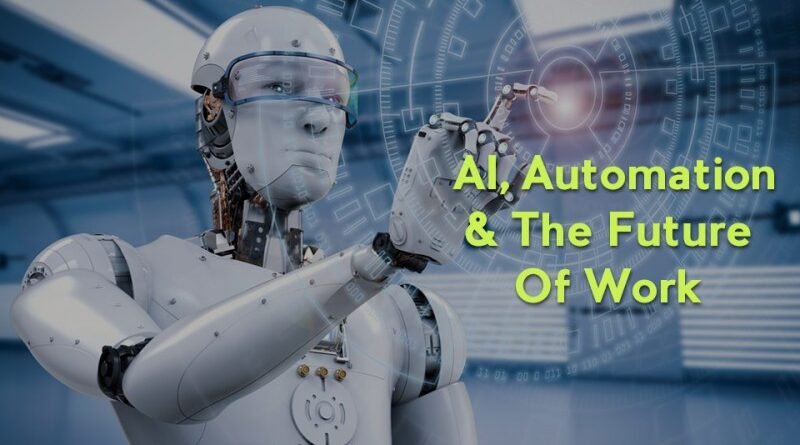
AI: The Future of Automation and Jobs

by Ranks Box July 25, 2025
written by Ranks Box

In the 21st century, few technologies have sparked as much excitement and concern as Artificial Intelligence (AI). From powering voice assistants to driving autonomous cars, AI is transforming how we live, work, and do business. But as machines become more intelligent, the big question arises: What does this mean for the future of jobs and automation?


🤖 What Is AI and Automation?

Artificial Intelligence (AI) refers to computer systems that can perform tasks typically requiring human intelligence—such as decision-making, learning, problem-solving, and even creativity. Automation, on the other hand, is the use of machines to perform tasks with minimal human intervention.

Together, AI and automation are reshaping entire industries—from manufacturing and agriculture to healthcare and finance.


⚙️ How AI Is Changing the Workforce

1. Replacing Repetitive Jobs

AI is excellent at handling repetitive, rule-based tasks, making it ideal for jobs like:

  • Data entry
  • Assembly line manufacturing
  • Customer service chatbots
  • Basic bookkeeping

These roles are being automated rapidly, increasing efficiency and reducing costs for businesses.

2. Augmenting Human Skills

AI isn’t just about replacement—it’s also about enhancement. Many professionals use AI tools to make better decisions, faster:

  • Doctors use AI to analyze medical scans.
  • Marketers use AI to personalize advertising.
  • Financial analysts use algorithms to predict market trends.

Rather than replacing humans, AI in these cases augments human capabilities.

3. Creating New Jobs

While some jobs disappear, new ones are also being created:

  • AI specialists and data scientists
  • Robotics technicians
  • AI ethics consultants
  • Prompt engineers

Like past industrial revolutions, technology may eliminate some roles but give rise to others we couldn’t have imagined a decade ago.


📉 What Jobs Are Most at Risk?

Jobs that involve routine tasks, low creativity, and minimal problem-solving are most vulnerable:

  • Telemarketers
  • Drivers (with the rise of self-driving vehicles)
  • Retail cashiers
  • Warehouse workers

On the flip side, jobs that require empathy, complex judgment, and human interaction—such as nurses, therapists, teachers, and artists—are less likely to be fully automated.


🌍 Opportunities and Challenges

✅ Opportunities:

  • Increased productivity and innovation
  • Safer working environments (especially in hazardous industries)
  • More time for humans to focus on creative or strategic tasks

❌ Challenges:

  • Job displacement and unemployment in some sectors
  • Inequality between high-skill and low-skill workers
  • Need for reskilling and lifelong learning
  • Ethical issues like bias in algorithms and data privacy

🧠 Preparing for an AI-Driven Future

To thrive in the age of AI, workers and employers must adapt:

  • Learn new skills: Digital literacy, coding, data analysis, and creative thinking are in high demand.
  • Embrace lifelong learning: Continuous training is essential as job roles evolve.
  • Focus on human strengths: Communication, emotional intelligence, and leadership remain vital.

Governments, educators, and businesses must collaborate to support workforce transitions and ensure technology serves everyone—not just a few.


🧭 Conclusion: Friend or Foe?

AI and automation are not the end of human jobs—they are a new chapter. Like electricity or the internet, AI has the power to uplift society or deepen divides, depending on how we manage it.

The future isn’t about humans vs. machines—it’s about humans working with machines to build a smarter, more efficient, and more inclusive world.


July 25, 2025 0 comments
0 FacebookTwitterPinterestEmail
Animals

The Secret Lives of Wild Animals: How They Survive in Harsh Environments

by Ranks Box July 25, 2025
written by Ranks Box

In the wild, survival is not just a daily challenge—it’s a way of life. From scorching deserts to freezing tundras, wild animals have evolved in fascinating ways to endure extreme environments. Their secret lives are full of smart strategies, physical adaptations, and instinctual behaviors that help them survive where most creatures couldn’t last a day.


🏜️ Desert Survivors: Life in a Land Without Water

Deserts are known for extreme heat during the day, freezing nights, and almost no water. But animals like the fennec fox, camel, and thorny devil lizard have found brilliant ways to cope.

  • Camels can store fat in their humps and go for weeks without water. They also have long eyelashes and closing nostrils to keep out sand.
  • Fennec foxes use their oversized ears not just for hearing but for releasing body heat.
  • Kangaroo rats get moisture from seeds and don’t need to drink water at all!

❄️ Arctic Warriors: Beating the Cold

In the Arctic, freezing temperatures and long, dark winters make survival almost impossible. Yet animals like the polar bear, arctic fox, and snowy owl thrive.

  • Polar bears have a thick layer of fat and water-repellent fur to keep them warm in icy waters.
  • Arctic foxes change their coat color with the seasons—from brown in summer to white in winter for perfect camouflage.
  • Caribou have specially adapted hooves for walking on snow and digging through it to find food.

🐍 Rainforest Residents: Surviving in the Jungle

Rainforests are hot, humid, and full of predators. But that doesn’t stop animals like the jaguar, poison dart frog, and sloth from calling it home.

  • Jaguars are excellent swimmers and hunt in water, using stealth and strength to surprise prey.
  • Poison dart frogs have bright colors that warn predators of their deadly toxins.
  • Sloths move slowly to conserve energy and avoid being noticed by predators in the dense canopy.

🌊 Ocean Dwellers: Life Under Pressure

Oceans present unique challenges—cold, darkness, and crushing pressure. Creatures like the anglerfish, sperm whale, and giant squid are true marvels of adaptation.

  • Anglerfish use a glowing lure on their heads to attract prey in the pitch-black deep sea.
  • Sperm whales can dive thousands of feet deep, slowing their heartbeat to survive the pressure.
  • Octopuses squeeze into tiny spaces, change color, and even squirt ink to escape danger.

🐜 Tiny Survivors: Insects and Reptiles

Even the smallest creatures have big survival tricks.

  • Ants in the Sahara work as a team, building underground homes to escape heat.
  • Desert lizards do a “dance” on the hot sand, lifting their feet one by one to stay cool.
  • Tardigrades (also known as water bears) can survive extreme radiation, dehydration, and even space!

🌍 Nature’s Genius at Work

Every animal’s body and behavior is shaped by millions of years of evolution. Whether it’s growing thick fur, storing fat, camouflaging into surroundings, or learning to hunt creatively—survival in the wild is a constant battle of adaptation and instinct.

What makes it truly fascinating is that these creatures don’t just survive—they thrive. Their secret lives offer us a deeper understanding of nature’s intelligence and resilience.


🧠 Final Thoughts

The next time you see a lizard sunbathing on a rock or a bird flying overhead, remember: you’re witnessing the result of countless generations of survival. From the icy poles to the heart of the jungle, wild animals live lives of quiet brilliance—each one a masterclass in adaptation.

July 25, 2025 0 comments
0 FacebookTwitterPinterestEmail
AnimalsUncategorized

MythMaker Online: The Fantasy Revolution Changing the World of E-Gaming

by Ranks Box July 25, 2025
written by Ranks Box

In 2025, one game is redefining the very essence of fantasy gaming: MythMaker Online. Developed by the visionary indie-meets-mainstream studio RealmForge Studios, this open-world MMORPG has taken the e-gaming world by storm, blending immersive storytelling, seamless cross-platform gameplay, and competitive esports elements like never before.


Welcome to a Living, Breathing Mythical Universe

MythMaker Online transports players into the mythical realms of Elarion, a richly crafted world inspired by ancient mythologies across cultures—Greek, Norse, Egyptian, and even South Asian legends.

But what truly sets the game apart is its adaptive story engine. Player decisions don’t just influence individual quests—they reshape the global game world, meaning the same quest can have different outcomes depending on which server or region you’re in.

“This isn’t just an MMORPG,” says RealmForge CEO Amina Yurev. “It’s a community-driven mythology in motion.”


Gameplay Mechanics That Matter

  • Faction-Based Warfare: Players align with one of five mythic factions, each with unique powers and political goals.
  • AI-Powered NPCs: Non-player characters evolve based on player interactions, creating more personal, unpredictable gameplay.
  • Seamless Crossplay: Whether you’re on a high-end gaming rig or mobile device, you can explore Elarion without compromise.
  • Skill Over Loot: PvP is balanced by skill-based combat systems—gear helps, but your reflexes and decisions matter more.

A New Era of Competitive Fantasy Gaming

While fantasy MMOs are traditionally story-heavy, MythMaker Online has surprised the industry by becoming a breakout esport. Its structured PvP tournaments—called “Arena of Ages”—pit the best players in high-stakes, lore-based battles.

With weekly qualifiers and monthly global championships, players are already making careers through in-game success. Big-name streamers like “LumiBlade” and “RagnarRoxx” have brought the game into the spotlight with record-breaking Twitch streams.


Not Just a Game—A Mental Workout

The game also includes strategy and diplomacy systems, where players must form alliances, manage city-states, and even write their own lore entries for inclusion in the world canon.

This blend of roleplay, strategy, and action has made it a hit in educational circles too, where teachers use the game to teach mythology, storytelling, and problem-solving in a gamified way.


What’s Next for MythMaker?

RealmForge has already teased “Age of Titans”, a massive expansion coming this winter, with new celestial races and dimension-travel gameplay. Leaks suggest time-bending mechanics, where players can rewrite parts of the past to change their future in-game path.

With a rapidly growing community, professional leagues in development, and integration with VR platforms on the horizon, MythMaker Online is more than just a game—it’s a digital epic for the modern age.


Final Verdict

Rating: 9.7/10
“A beautifully crafted world where myths come alive—and you get to write the ending.”

If you love fantasy, storytelling, and high-stakes competition, MythMaker Online is the game to watch—and to play—in 2025.


July 25, 2025 0 comments
0 FacebookTwitterPinterestEmail
Newer Posts
Older Posts

Recent Posts

  • Using Pull-Up Assist Bands for Cross-Training and CrossFit
  • Using Pull-Up Assist Bands for Cross-Training and CrossFit
  • Create Lasting Memories with Family-Friendly Luxury Tours
  • Prophecy and Truth: Understanding Messages Beyond Time
  • Allergy Symptoms and Mold: Recognizing the Connection

Recent Comments

  1. Chad Bowman on 20 Funny Animal Gifs Make You Love Them Even More
  2. Chad Bowman on 20 Funny Animal Gifs Make You Love Them Even More
  3. Chad Bowman on 20 Funny Animal Gifs Make You Love Them Even More
  4. Chad Bowman on 20+ Cute Dogs Will Melt Your Heart with Adorableness
  5. Chad Bowman on 34 Of The Most Glorious Moments In Fail History

Find us on Facebook

Find us on Facebook

Social Media

Facebook Twitter Instagram Pinterest Tumblr Youtube Snapchat Rss

Trending Now

  • 1

    37 People Who Failed So Spectacularly They Almost Won

  • 2

    75 Thoughts Every Runner Has While Running A Marathon

  • 3

    Daily Quizz from SViral – How Hipster Intolerant Are You?

  • 4

    Video Highlight – If Your BFFs Breakup Were A Music Video

  • 5

    Here’s How To Make The World’s Greatest Chocolate Chip Cookies

  • 6

    26 Struggles Adults Who Sleep With Their Teddy Will Understand

  • 7

    Literally Just 24 Funny Tumblr Posts About Owning Cats

  • 8

    10 Unbelievable Facts You Didn’t Know About Arm Wrestling

  • 9

    These 17 Tiny Animals Who Are Filled With Rage

  • 10

    34 Of The Most Glorious Moments In Fail History

  • 11

    This Quiz Will Reveal What Couples Will Argue About

Categories

  • Animals (10)
  • Epic Fails (6)
  • Featured (10)
  • Funny (1)
  • People (11)
  • Photos (5)
  • Quizzes (5)
  • Uncategorized (31)
  • Videos (5)

Popular in Epic Fails

Using Pull-Up Assist Bands for Cross-Training and CrossFit

December 28, 2025

Using Pull-Up Assist Bands for Cross-Training and CrossFit

December 28, 2025

Create Lasting Memories with Family-Friendly Luxury Tours

November 20, 2025

Prophecy and Truth: Understanding Messages Beyond Time

November 20, 2025

Allergy Symptoms and Mold: Recognizing the Connection

November 20, 2025

Newsletter

Subscribe my Newsletter for new blog posts, tips & new photos. Let's stay updated!

Tags

adorable animal animals banana bff birds cake cat epic fails facts funny hair hipster music people quizzes running single teddy bear twitter video water
  • Facebook
  • Twitter

@2021 - All Right Reserved. Designed and Developed by PenciDesign


Back To Top
medalhunt.com
  • Home